 Image 1 of 1
Research-Grade Melanotan Peptide
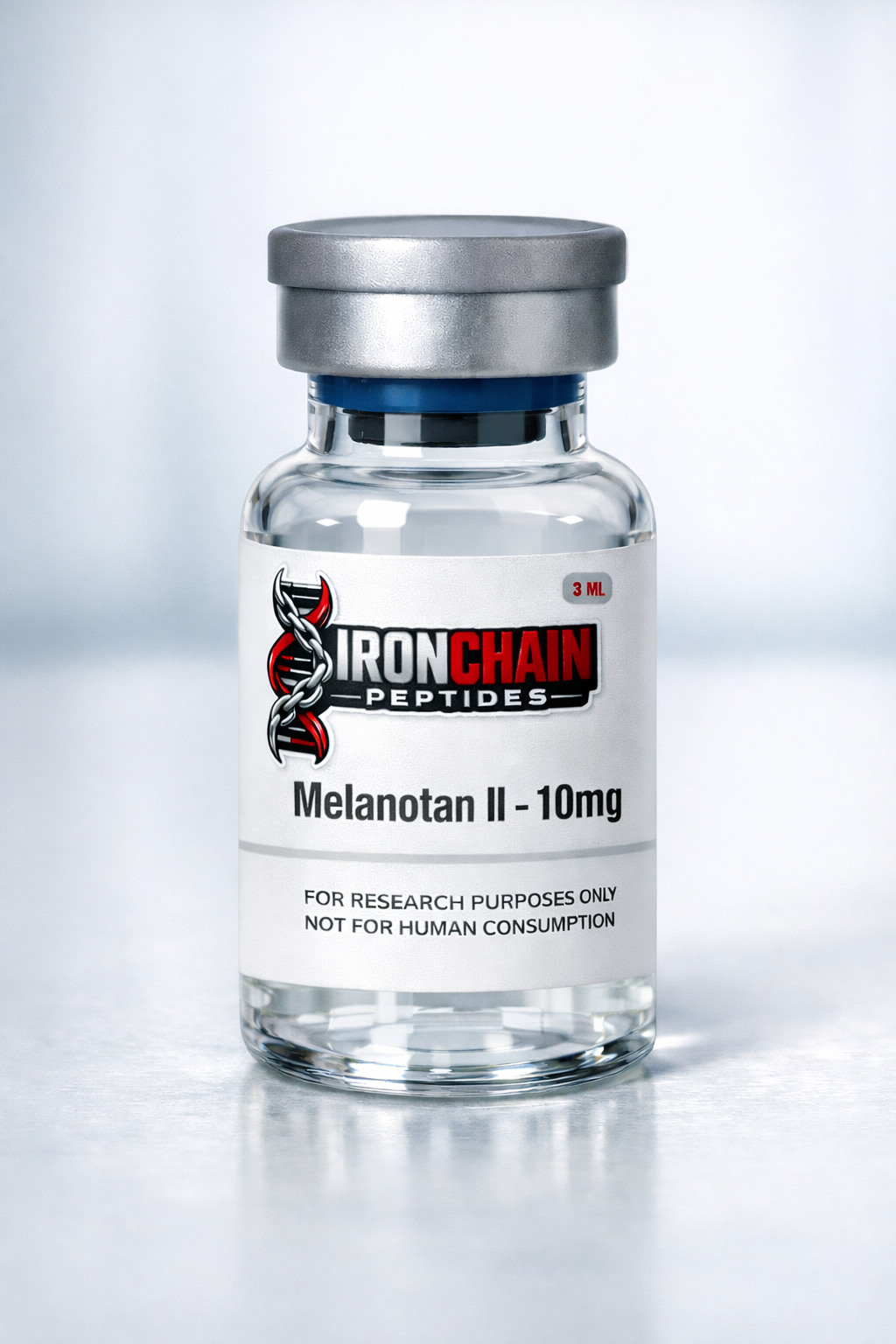
Melanotan II (MT-II) is a synthetic cyclic peptide analog of the naturally occurring hormone α-melanocyte-stimulating hormone (α-MSH). It is widely studied in laboratory environments for its interaction with the melanocortin receptor system, which regulates pigmentation, metabolic signaling, and neuroendocrine communication.
As a research compound, Melanotan II is utilized in controlled experimental settings where well-defined peptide structure, stability, and reproducibility are essential. Its cyclic molecular configuration improves stability compared with linear α-MSH peptides, making it a useful model compound for investigations involving melanocortin receptor activation and peptide-mediated signaling pathways.
Research Applications
In laboratory research, Melanotan II is used to explore several biological processes related to the melanocortin signaling system. Researchers frequently examine its activity within controlled models studying:
Melanocortin receptor signaling pathways
Peptide-receptor binding interactions
Melanin synthesis and pigmentation biology
Neuroendocrine signaling and hypothalamic pathways
Energy balance and metabolic signaling models
Because Melanotan II acts on multiple melanocortin receptors, it can serve as a useful experimental compound for studying how receptor activation influences downstream cellular responses and hormonal signaling networks in controlled research environments.
Mechanism and Molecular Profile
Melanotan II functions as a non-selective agonist of melanocortin receptors, including MC1R, MC3R, MC4R, and MC5R.
Activation of the MC1 receptor stimulates melanocytes to increase melanin production, which influences pigmentation processes within the skin.
Beyond pigmentation pathways, melanocortin receptors are also involved in neurological and metabolic signaling systems. Activation of receptors such as MC3R and MC4R has been investigated in research related to appetite regulation, energy balance, and neuroendocrine activity.
Structurally, Melanotan II is a cyclic heptapeptide derivative of α-MSH, designed to enhance stability and receptor activity compared with the endogenous hormone.
Laboratory Formulation and Preparation
Melanotan II is commonly supplied in lyophilized (freeze-dried) form, a preparation method widely used for peptide research compounds. Lyophilization helps maintain peptide stability during transport and storage while allowing laboratories to prepare solutions according to their internal experimental protocols.
Prior to experimental use, the peptide is typically reconstituted using appropriate research-grade solvents within controlled laboratory environments. Standardized preparation techniques and careful handling procedures help preserve compound integrity and support reproducible experimental outcomes.
Storage Recommendations
For optimal stability, the dry material should be stored in a cool, dry environment away from direct light exposure. Proper storage practices help maintain compound integrity throughout the research lifecycle and minimize variability related to environmental factors.
Quality Standards
Each batch of MT-II is produced under stringent quality control standards to support research consistency and supply reliability. Independent analytical testing verifies purity and structural conformity prior to release.
Research Use Statement
Melanotan II is supplied strictly for laboratory research purposes. It is not intended for human or veterinary use.